Best Landscaping Design Ideas for Buffalo, NY Backyards in 2026
By the landscape design team at 716 Lawn Care, serving Williamsville, Clarence Center, Lewiston and the rest of Western New York. Last updated October 2026.
landscaping Design a Buffalo backyard to work in January as well as July. Use evergreens and well-built hardscaping for winter structure, plants that bloom in sequence for the short growing season, and a compacted, well-drained base under every patio, walkway and wall to survive freeze-thaw cycles. Plan in fall or winter so installation can start as soon as spring soil is workable.
Why Buffalo Backyards Need Different Design Choices
Most “backyard ideas” lists are written for climates with a six- or seven-month growing season. Western New York is not one of them, and two local conditions shape nearly every good design decision here.
A shorter growing season. Buffalo sits mostly in USDA zones 6a and 6b, with last frost typically arriving in mid-to-late May and first frost in October. A yard built only around summer-flowering perennials can look bare from November through April. That stretch is a long part of the year here.
Freeze-thaw cycles. Water in the soil freezes, expands, then melts, over and over through the winter. Hardscaping installed without the right base can heave, crack or settle within a few winters. Heavy clay soil, common across much of Erie and Niagara counties, holds water and makes the problem worse.
Good landscaping design in Buffalo, NY accounts for both challenges from the first sketch, not as an afterthought.
Designing for the Short Growing Season
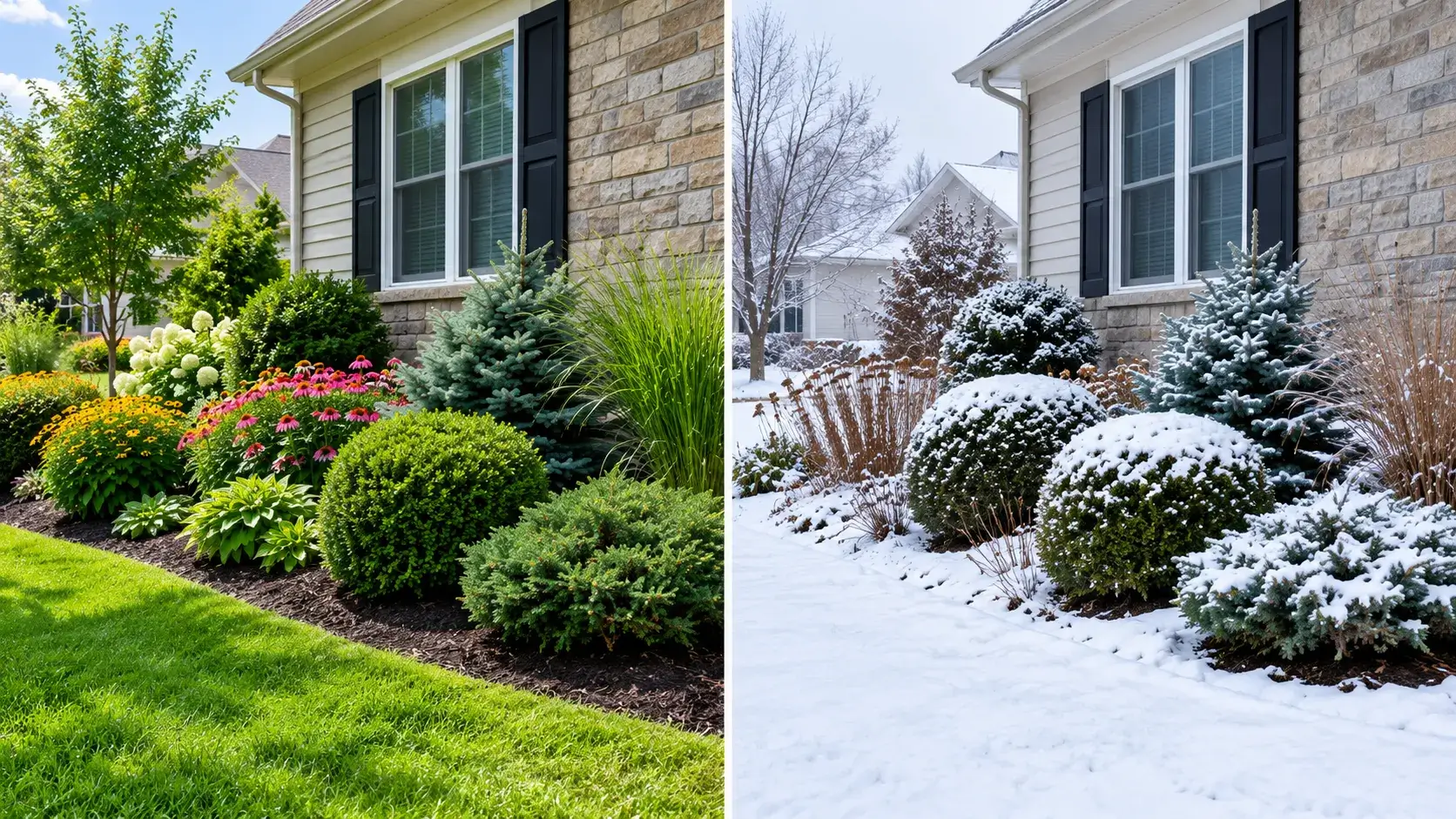
Instead of a yard that only looks finished in July, build in structure and staggered interest so it holds up across the calendar.
- Anchor the design with evergreens. Arborvitae, boxwood and zone-appropriate junipers keep their shape and color through winter and give you privacy when everything else is dormant. Pick hardy varieties and place them away from where plows and shovels pile snow and road salt.
- Layer bloom times. Early bulbs such as crocus and daffodils, summer perennials such as purple coneflower and black-eyed Susan, and fall bloomers such as asters and sedum stretch color across more of the season than one big summer display.
- Let hardscaping be the backbone. A patio, walkway or retaining wall never goes dormant, so it gives the yard a clear shape even when the plants aren’t contributing.
Hardscaping That Survives Buffalo Winters
Base preparation is the hardest part of a design to fix later, and it’s the part you can’t see once the project is finished.
Feature | What it needs in Western New York | Common failure when it’s skipped |
|---|---|---|
Patio | Excavation, compacted gravel base of adequate depth, and drainage that carries water away from the surface and the house | Heaving, uneven pavers, standing water |
Retaining wall | Drainage stone and a drain path behind the wall, a compacted base, and engineering review for taller walls | Trapped water freezes, expands and pushes the wall out of line |
Walkway | The same compacted base as a patio, with edge restraint | Shifting, tripping hazards, cracked sections |
Frost depth in this region is roughly three to three and a half feet, which is why base depth and drainage matter more here than the paver style on top. Exact requirements depend on the material, the site and your town’s code, so confirm details with your contractor and municipality. If you have a sloped lot, our article on retaining wall installation explains what a properly built wall needs in this climate.
6 Landscaping Design Ideas for Buffalo Backyards in 2026
Each idea below is chosen for Buffalo’s short growing season and freeze-thaw winters, so it keeps working long after the first frost. Mix and match them based on your yard’s size, slope and sun.
1. A patio divided into outdoor rooms
Rather than one large slab, create a dining zone and a separate seating or fire zone linked by a short walkway. It makes a yard feel organized and more usable without adding square footage.
2. A fire feature for extended-season use
A fire pit or outdoor fireplace lets you use the patio well into September and October, when evenings cool quickly. Follow local fire rules and keep it a safe distance from structures and overhanging branches.
3. Native, low-maintenance plantings
Great Lakes natives such as serviceberry, switchgrass, purple coneflower and black-eyed Susan are generally better adapted to local soil and rainfall than imported ornamentals. That can mean less watering and fewer replacements after a hard winter.
4. Mulched beds for moisture and weed control
A few inches of mulch holds moisture through summer dry spells, suppresses weeds and gives beds a finished edge. Keep it pulled back from tree trunks and shrub stems.
5. Lighting for early sunsets
Daylight disappears quickly in a Buffalo fall. Path lights, step lights and subtle accent lighting make the yard safer and more usable after dark, and they show off evergreens and hardscaping in winter.
6. Retaining walls and terracing on sloped lots
A well-built wall or terrace turns an awkward slope into level space for planting beds or a small patio extension. Walls over roughly four feet commonly require engineering and permits, so check with your town before planning one.
DIY vs. Hiring a Landscape Designer
Not every part of a backyard redesign needs a professional.
Reasonable to DIY
- Planting a single bed or refreshing existing beds
- Adding mulch to existing planting areas
- Installing simple garden edging
- Placing planters and a few accent lights
Worth hiring a designer or contractor
- Patios and walkways, because base preparation determines whether they last
- Retaining walls, which involve drainage and structural considerations that are hard to correct afterward
- A full-yard design, where the goal is one cohesive layout of planting areas, seating zones and circulation rather than a collection of separate additions
If your project is mostly planting and maintenance, doing it yourself is a perfectly reasonable choice. A professional earns their cost where drainage or freeze-thaw stress is involved, since those mistakes are expensive to fix once the ground has already moved. Whichever route you take, call 811 (Dig Safely New York) before any digging so buried utilities are marked.
Why Fall and Winter Are the Right Time to Plan
Spring is when every Western New York homeowner wants landscaping done, so design consultations and installation schedules fill quickly. Starting in fall or winter means you can:
- Finalize your layout, materials and any permits before the spring rush
- Secure an earlier installation window
- Order the right plant varieties with enough lead time for spring planting
- Make decisions without pressure
Planning in winter doesn’t mean installing in winter. Most excavation, paving and planting waits for workable soil, but a finished plan lets work begin the moment conditions allow.
Local Notes: Williamsville, Clarence Center and Lewiston
Yard conditions vary across the region, and a good design responds to the actual property.
Williamsville
Mature tree cover is common, which means shade. Shade-tolerant plants such as hostas, ferns and astilbe often make better beds than sun-loving perennials.
Clarence Center
Lots are often larger, which opens the door to multi-zone patios, terraced slopes and larger planting areas. The right layout depends on the slope and how you use the space.
Lewiston
Proximity to the Niagara River and varied soils mean drainage can differ from one property to the next. Watching how water moves across your yard after a heavy rain tells you where beds, patios and walkways should go.
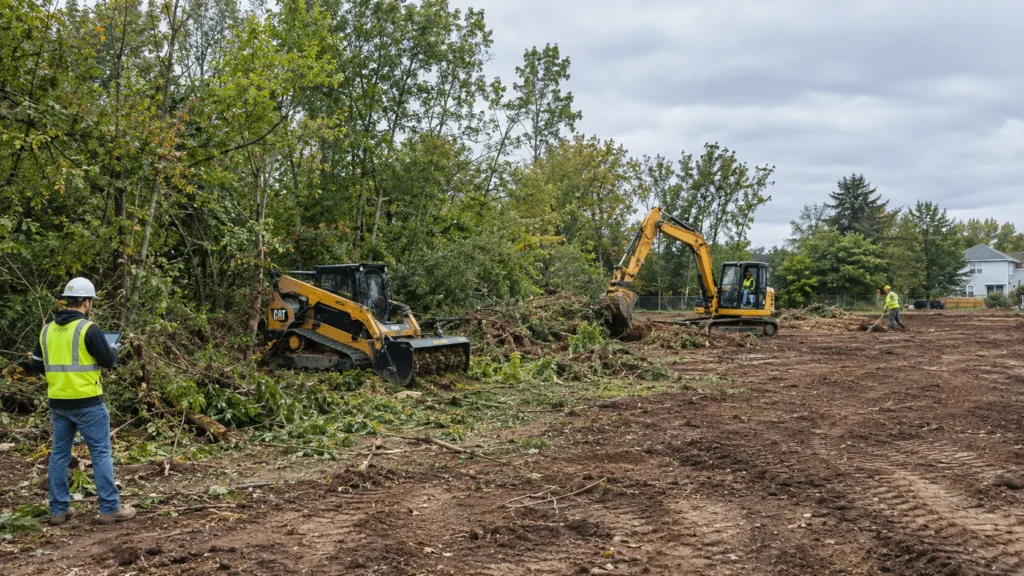
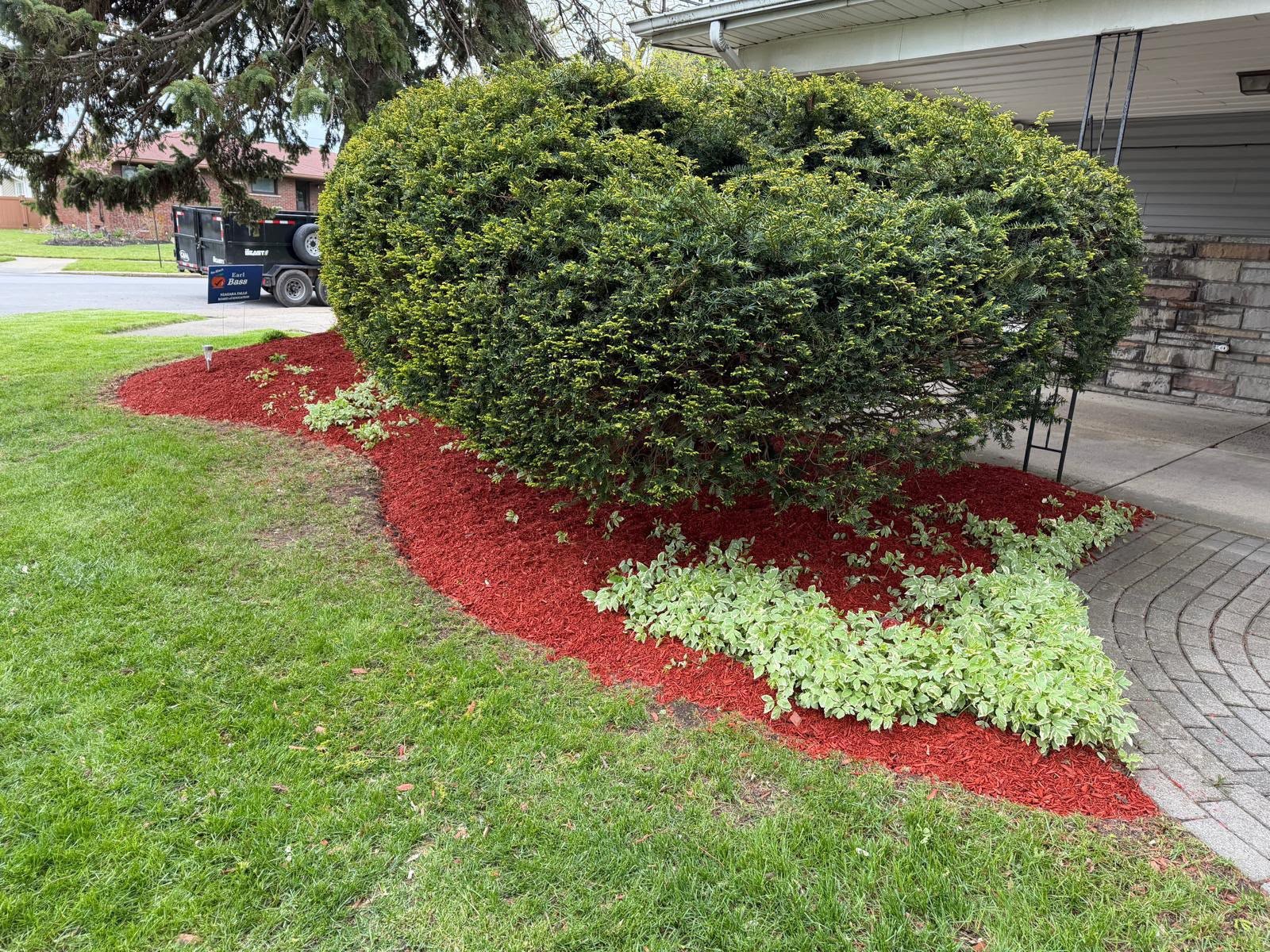
Landscaped backyard in Williamsville, Clarence Center, Lewiston, Buffalo, NY.
Landscaped backyard in Williamsville, NY716 Lawn Care provides landscaping design services across all three communities, adjusting plant and hardscape choices to each property’s sun, soil, slope and drainage.
Start Planning Your Buffalo Backyard Design
A backyard that holds up in Buffalo’s climate is decided months before the first shovel hits the ground. If you’re ready to move from a list of ideas to a real plan, contact 716 Lawn Care to start your custom landscaping design, and pair it with patio installation or fresh mulching once your design is set.
Frequently Asked Questions
When is the best time to plan a landscaping design project in Buffalo, NY?
Fall and winter. Planning then lets you finalize the design, materials and permits before the spring rush, so installation can begin as soon as the ground and weather allow.
What plants work best for landscaping in Buffalo's climate?
Plants rated for USDA zones 6a and 6b, especially Great Lakes natives like purple coneflower, black-eyed Susan, switchgrass and serviceberry. Add structural evergreens such as arborvitae, boxwood and suitable junipers for winter interest.
Why do patios and walkways crack after a Buffalo winter?
Freeze-thaw cycles move the ground beneath them. Cracking and shifting usually trace back to a base that wasn’t properly compacted or deep enough, or to poor drainage that lets water sit under the surface and freeze.
Do retaining walls need special design considerations in Buffalo?
Yes. They need drainage behind the wall and a solid, compacted base. Without them, water builds up, freezes, expands and pushes the wall out of alignment. Taller walls may also need engineering and a permit.
Can I design and install a backyard landscaping project myself?
Smaller projects like planting beds, mulching and decorative touches are good DIY work. Patios, walkways and retaining walls usually warrant a professional because base preparation and drainage are difficult to correct after installation.
How much does landscaping design cost in Buffalo?
Cost depends on the size of the yard, the materials and how much hardscaping is involved. The most reliable way to get an accurate number is an on-site consultation, since slope, drainage and access all affect the price.